

Tourism in Alcalá de Henares
Alcalá de Henares, a university city located just 30 km from Madrid, combines history, culture and gastronomy in a unique setting. Declared a UNESCO World Heritage Site in 1998, it is renowned for its Roman heritage, its prestigious university tradition and for being the birthplace of Miguel de Cervantes.
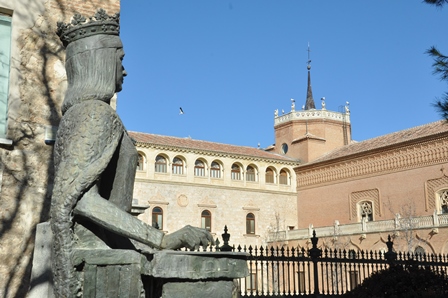 Archbishop's Palace | 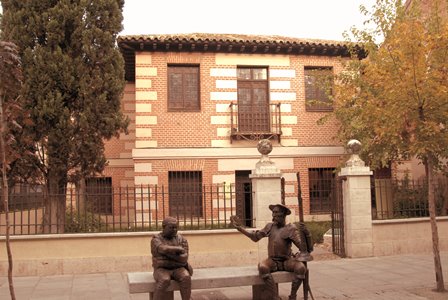 Birth house-museum of Miguel de Cervantes
| 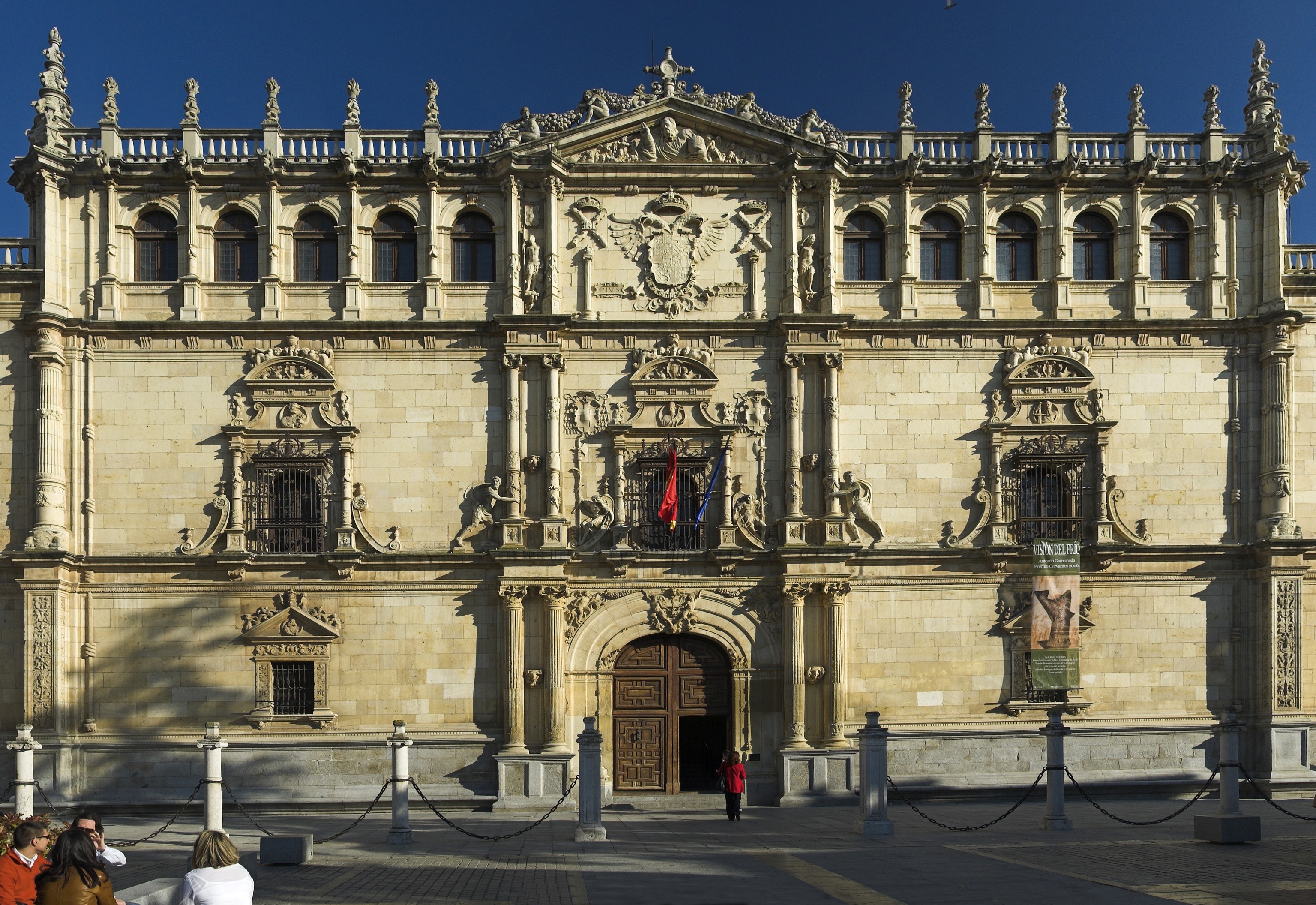 University of Alcalá |
A journey through the history of Alcalá
Did you know?
The Archbishop's Palace
Residence of the archbishops of Toledo and the setting for one of the first meetings between Christopher Columbus and the Catholic Monarchs regarding the voyage of 1492. It was also the birthplace of Ferdinand I, Holy Roman Emperor, and Catherine of Aragon, Queen of England.
A city designed for a university
According to UNESCO, Alcalá de Henares was the world's first planned university city and served as a model for other universities in Europe and the Americas.
The city of Cervantes
Alcalá is internationally renowned as the birthplace of Miguel de Cervantes, author of Don Quixote. Each year, the prestigious Cervantes Prize is presented in the Great Hall of the University of Alcalá.
Culture throughout the year
Alcalá maintains a vibrant cultural programme throughout the year, with events including the Festival of the Word, the Classical Theatre Festival, the Medieval Market and the traditional performance of Don Juan Tenorio.