

Plenary Sessions
Challenges and Opportunities in Power Delivery for Nvidia GPUs
📍 Asturias Hall | 🗓️ Wednesday, July 8 🕒 9:30
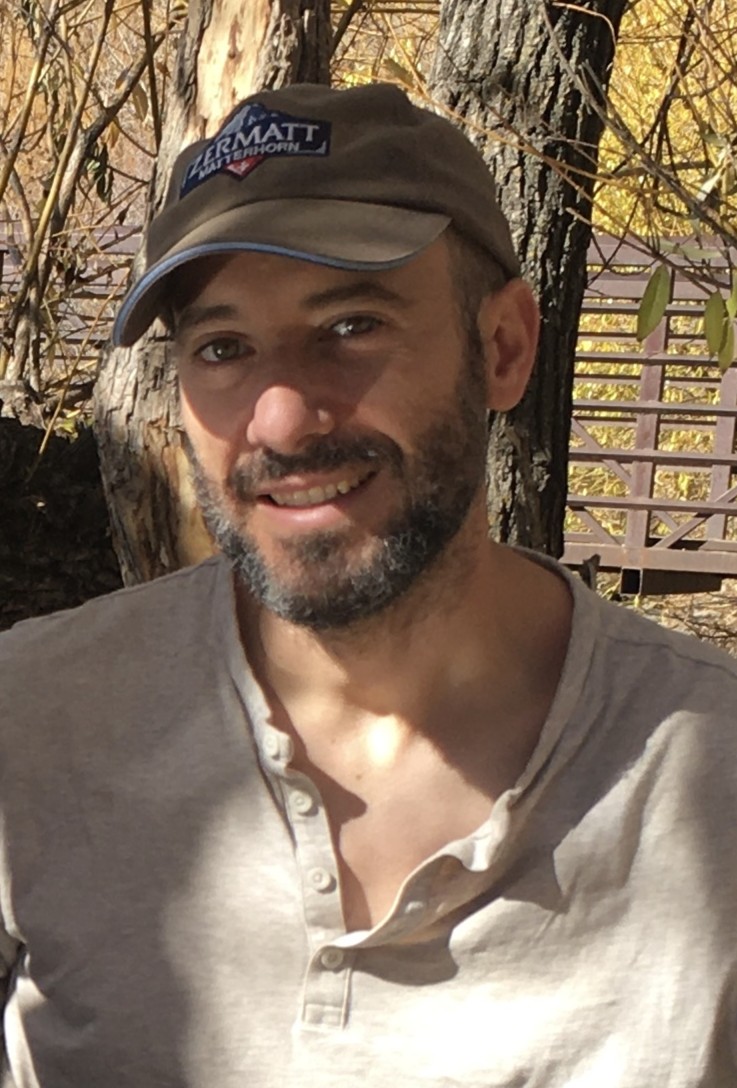
Miguel Rodríguez
He received his MSc and PhD degrees in Telecommunications Engineering from the University of Oviedo in 2006 and 2011, respectively. In 2011, he joined the CoPEC (Colorado Power Electronics Center) at the University of Colorado Boulder as a postdoctoral researcher, where he worked for two years with Professor Dragan Maksimovic on digitally controlled smart power supplies, converters for RF and radar amplifiers, gallium nitride devices, among other projects.
In 2013, he joined AMD (Advanced Micro Devices), where he worked on systems aimed at improving energy efficiency, such as digital linear regulators and adaptive clock generators, using technologies ranging from 14nm to 5nm. These systems were successfully commercialized in large volumes for AMD laptops, GPUs, and servers.
In 2021, he joined Nvidia, where he was appointed Principal Engineer in 2023, and since 2025 has held the position of Senior Manager of Hardware Engineering. He leads a group of more than 15 engineers working on different solutions to improve power delivery for Nvidia GPUs and CPUs, focusing on the design of integrated linear and switching regulators, as well as noise modeling and simulation.
Miguel has published more than 30 papers in international journals and conferences and holds around 15 U.S. patents.
This talk focuses on exploring the various challenges and opportunities related to powering Nvidia graphics processing units (GPUs), which are widely used in data centers for artificial intelligence (AI) training and inference applications.
The first part of the talk will address the architecture of GPU power delivery systems, from the electrical grid to the chip itself, and introduce some of the fundamental challenges that arise at all levels. We will focus on how the combination of GPU architectures and AI algorithms tends to generate large voltage fluctuations, as well as the difficulties associated with supplying voltages below 1V and currents of several thousand amperes to state-of-the-art chips.
The second part will discuss different approaches to addressing these issues, including methods to reduce or mitigate noise, techniques for designing power supplies capable of meeting these demanding conditions, and other medium- and long-term solutions.
The Artemis Program Power System. Reliability Challenges in Crewed Spaceflight
📍 Asturias Hall | 🗓️ Thursday, July 9 🕒 10:15
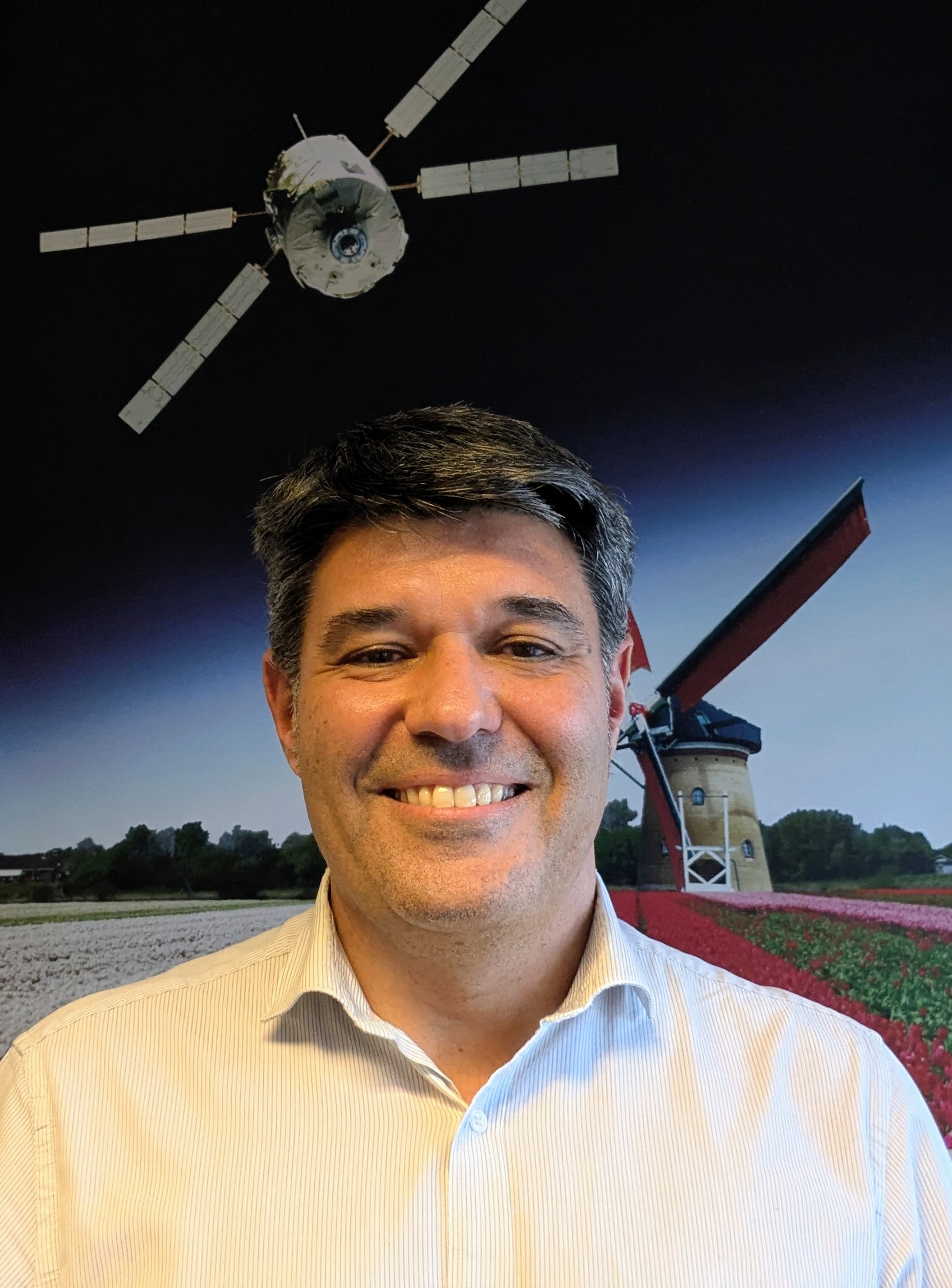
Arturo Fernández
(IEEE SM’98) received his MSc and PhD degrees in Industrial Engineering from the University of Oviedo in 1997 and 2000, respectively. He began his academic career at the University of Oviedo as an Associate Professor in 1998 and became a Full Professor in 2003.
In 2007, he joined the European Space Agency (ESA) as a power conversion engineer, focusing his research on power electronics development for space missions.
In 2015, he was appointed Head of the ESA Power Management and Distribution Section, where he coordinated the Agency’s power conversion technology roadmaps and technically led the development programs for satellite power systems.
In 2025, he became Head of the Power Systems, Electromagnetic Compatibility and Space Environments Division, supervising ESA R&D activities in solar generators, energy storage, electromagnetic compatibility, and space environment effects.
His research interests include high-efficiency switched-mode power supplies, DC/DC converters, converter modeling, and advanced power systems for space applications. He is the author of more than 100 publications in the field.
This lecture focuses on the Artemis program power system and the lessons learned during the Moon missions conducted in 2023 and 2026.
The development of power systems for crewed spacecraft is a highly complex task, where long development cycles and varying in-flight configurations significantly affect the energy balance. The high redundancy required to ensure reliability also introduces major design challenges.
In this context, simple, scalable, and flexible systems emerge as the best solution. Telemetry and control capabilities play a key role, with data availability and telemetry frequency becoming essential aspects for future missions.
Finally, the lecture will address system-level redundancy as a more viable alternative to the classical double-fault tolerance concept, highlighting architectures with multiple interconnected buses for highly reliable missions.
Nature-based and Living Solutions: Evolving from Green to More-than-Green for Advancing Sustainable Technologies in Measurement Systems
📍 Asturias Hall | 🗓️ Friday, July 10 🕒 12:30
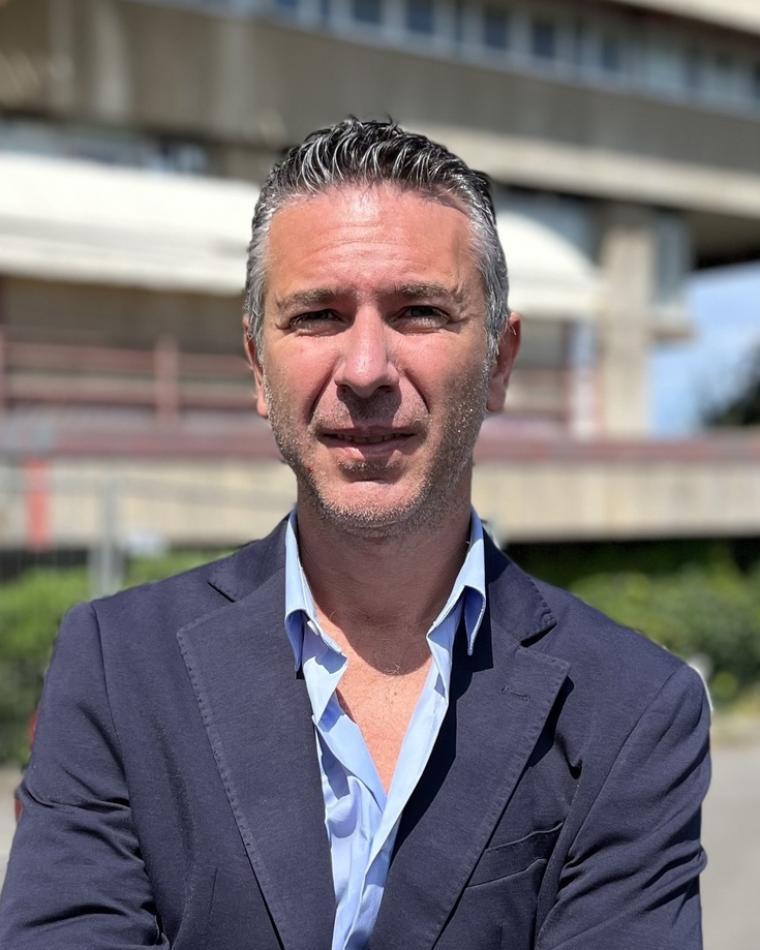
Carlo Trigona
Member of the IEEE Instrumentation and Measurement Society Distinguished Lecturer Program, his research focuses on smart sensors, autonomous systems, and sustainable nature-inspired solutions.
His work is centered on advanced measurement technologies, low-power systems, and bio-inspired approaches applied to environmental monitoring and sustainability.
Carlo Trigona (University of Catania, DIEEI) is a researcher in the field of instrumentation and measurement, with extensive experience in the development of smart sensors, autonomous systems, and low-power technologies. He received his PhD in Electronic Engineering and has focused his scientific activity on advanced sensing systems, wireless sensor networks, and innovative solutions for complex environments.
Throughout his career, he has worked on multiple international research projects addressing challenges related to environmental monitoring, energy efficiency, and the integration of intelligent systems into real-world applications. His contributions include the development of autonomous devices capable of operating in harsh environments, as well as solutions based on energy harvesting.
His research interests also extend to bio-inspired systems and the integration of electronic technologies with natural systems, exploring new ways of designing sustainable solutions. He is the author of numerous scientific publications in instrumentation, sensors, and intelligent systems, and actively participates in international initiatives related to the transition toward greener and more efficient technologies.
This plenary lecture explores the emerging role of Nature-Based Solutions and living systems in the transition toward more sustainable, resilient, and environmentally friendly technologies.
The presentation will analyze how engineering can draw inspiration from natural mechanisms — such as self-organization, adaptability, and energy efficiency — to design intelligent systems capable of operating in complex and dynamic environments.
The lecture will present examples of bio-inspired technologies applied to sensing, autonomous sensor networks, environmental monitoring, and low-power distributed systems, highlighting their potential to address global challenges such as climate change and efficient resource management.
It will also discuss the opportunities and challenges associated with integrating living systems and electronic technologies, as well as future research directions in this interdisciplinary field.
More information about this plenary lecture is available at:
🔗 https://ieee-ims.org/presentation/lecture/nature-based-and-living-solutions-evolving-green-more-green-advancing