

Plenary Sessions
Challenges and Opportunities in the Power Supply of Nvidia GPUs
📍 Deva + Aramo Hall | 🗓️ Wednesday 8 July 🕒 9:30
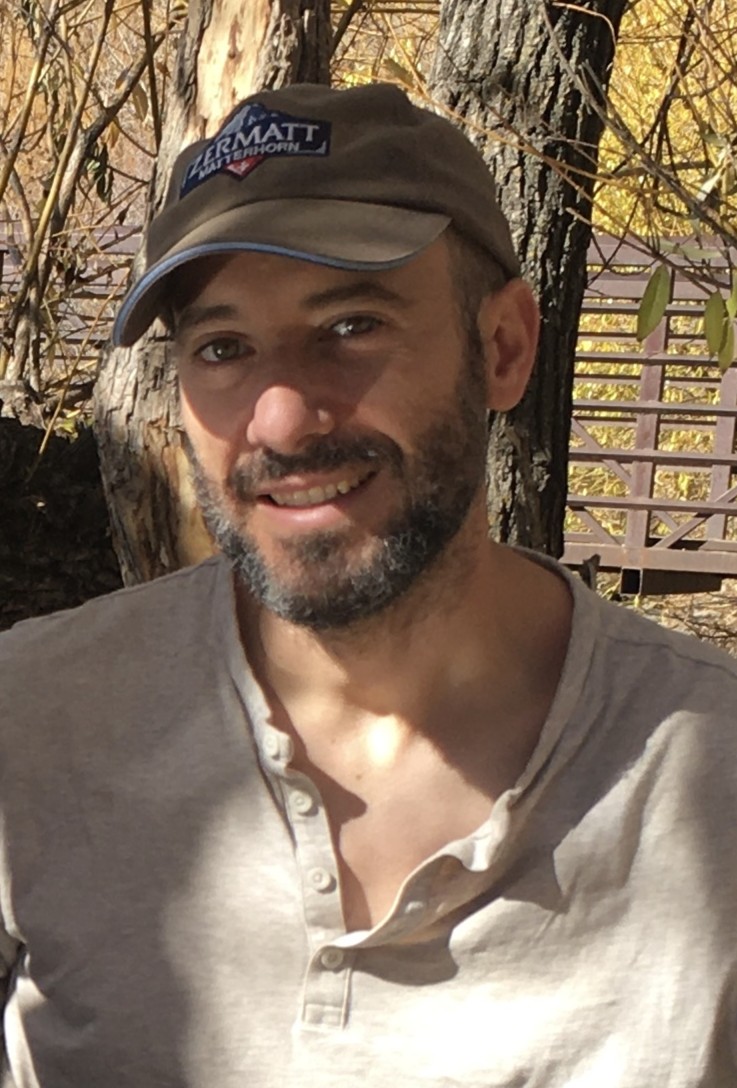
Miguel Rodríguez 
He obtained his master's degree and PhD in Telecommunication Engineering from the University of Oviedo in 2006 and 2011, respectively. In 2011 he joined CoPEC (Colorado Power Electronics Center) at the University of Colorado Boulder as a postdoctoral researcher, where he worked for two years with Professor Dragan Maksimovic on digitally controlled intelligent power supplies, RF amplifier and radar converters, gallium nitride devices, among other projects. In 2013 he joined AMD (Advanced Micro Devices), where he began working on systems to improve energy efficiency, such as digital linear regulators and adaptive clock generators, using technologies from 14nm to 5nm. These systems were successfully commercialized at large scale in AMD laptops, GPUs, and servers.
In 2021 he joined Nvidia, where he was appointed Principal Engineer in 2023, and since 2025 he has held the position of Senior Manager of Hardware Engineering. He leads a team of more than 15 engineers working on different solutions to improve power supply for Nvidia GPUs and CPUs, focusing on the design of integrated linear and switching regulators, and noise modeling and simulation.
Miguel has published more than 30 papers in international journals and conferences, and holds around 15 US patents.
This talk focuses on exploring the different challenges and opportunities that arise in the power supply of Nvidia graphics processing units (GPUs), which are widely used in data centers for training and inference in artificial intelligence (AI) applications.
In the first part of the talk, the architecture of GPU power systems will be addressed, from the grid to the chip, introducing some of the fundamental problems that arise at all levels. We will focus on how the combination of GPU structure and AI algorithms tends to generate large voltage fluctuations, as well as the difficulties of providing voltages below 1V and currents of thousands of amperes to next-generation chips.
In the second part, different ways to address these problems will be discussed: for example, what can be done to reduce noise or mitigate its effects, how to design power supplies to meet the conditions mentioned above, and other medium- and long-term solutions.
Presentation of AESEMI’s SemiConecta platform
📍 Deva + Aramo Hall | 🗓️ Wednesday, July 8 🕒 10:30
AESEMI is an association that brings together the entire semiconductor sector at the national level. In this talk, we will address an uncovered gap: the direct connection between those who develop these technologies.
This is how AESEMI’s SemiConecta platform was created, driven by the State Research Agency, filling this gap through open working groups focused on specific technologies where participants can discuss and share information. As a first deliverable, a Strategic Innovation Agenda will be developed so that institutions can identify the needs of the sector; and as a long-term goal, the promotion of public–private collaboration.
Entrepreneurship Roundtable
📍 Asturias Hall | 🗓️ Thursday 9 July | 🕒 9:00 – 10:15
This roundtable will address the challenges and opportunities of entrepreneurship in the fields of automation, industrial electronics, and instrumentation. Researchers with extensive experience in creating spin-offs and technology-based companies, as well as institutional representatives promoting innovation from public administration, will participate.
Real experiences of knowledge transfer to the market will be shared, along with lessons learned and recommendations for researchers who wish to become entrepreneurs.
Moderator
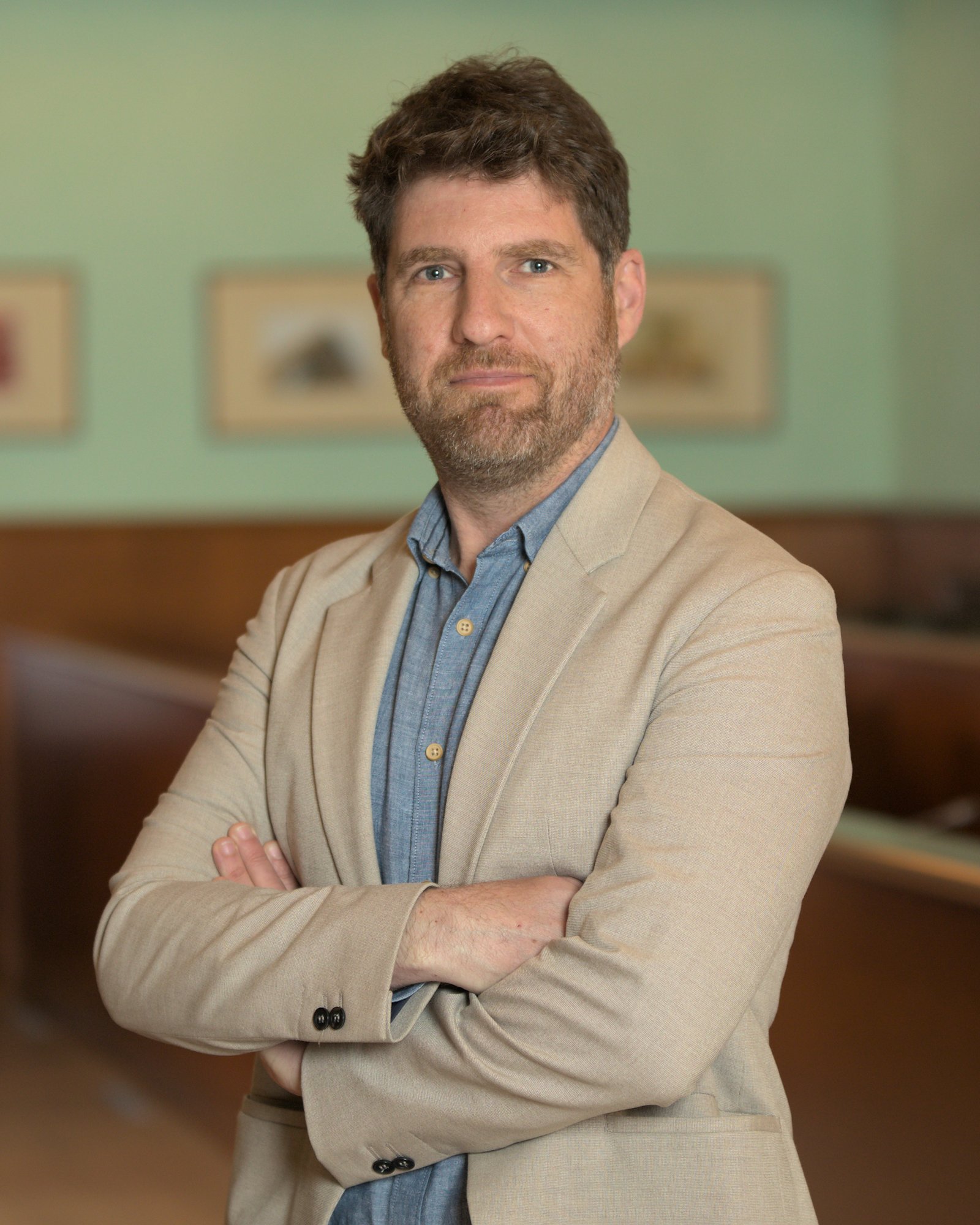
Jorge García
Full Professor of Electronic Technology at the University of Oviedo. He leads the Knowledge Transfer and Knowledge-Based Companies Area and coordinates the CREATI.UO Hub. He is a founding member of the LEMUR research group and co-founder of PXR Solutions, a company specialized in IoT and computer vision for industrial and renewable energy applications.
Participants
Pablo Fanjul Bolado
PhD in Chemistry from the University of Oviedo. Co-founder of DropSens, Bioquochem and Platelets Biotechnology. R&D Director at Metrohm DropSens and specialist in technology transfer and miniaturized sensors.
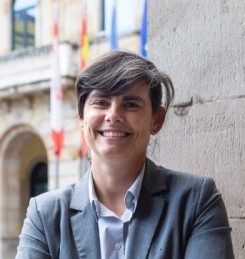
Patricia García Zapico
Director General of Innovation and Promotion at the City Council of Gijón. She leads the city’s smart growth, digital and energy transformation strategy, promoting innovation and entrepreneurship.
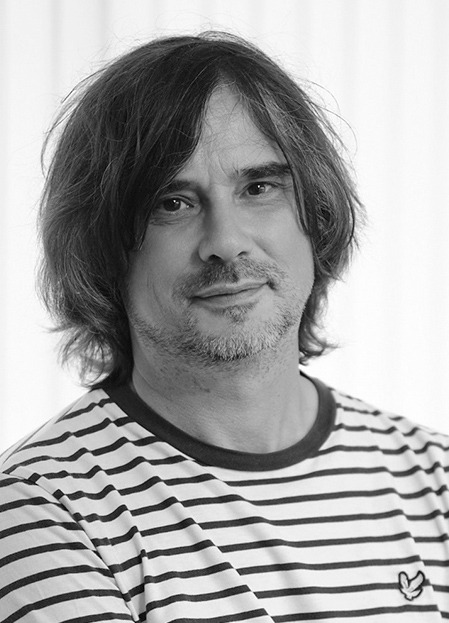
Pablo García
Full Professor at the University of Oviedo and co-founder of Enfasys Ingeniería. His research and technology transfer activities focus on the control and management of distributed energy resources and storage systems.
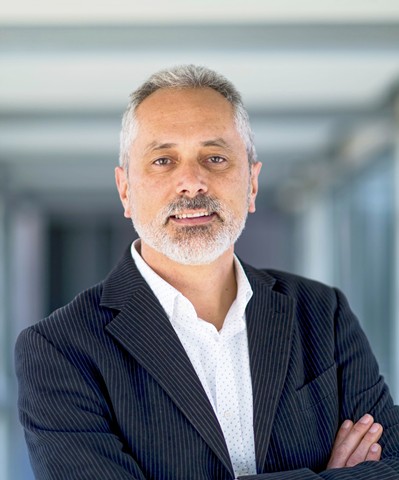
José A. Carrasco
Full Professor at Miguel Hernández University of Elche and CEO of EMXYS. He has extensive experience in power electronics, instrumentation and aerospace systems for scientific and technological missions.
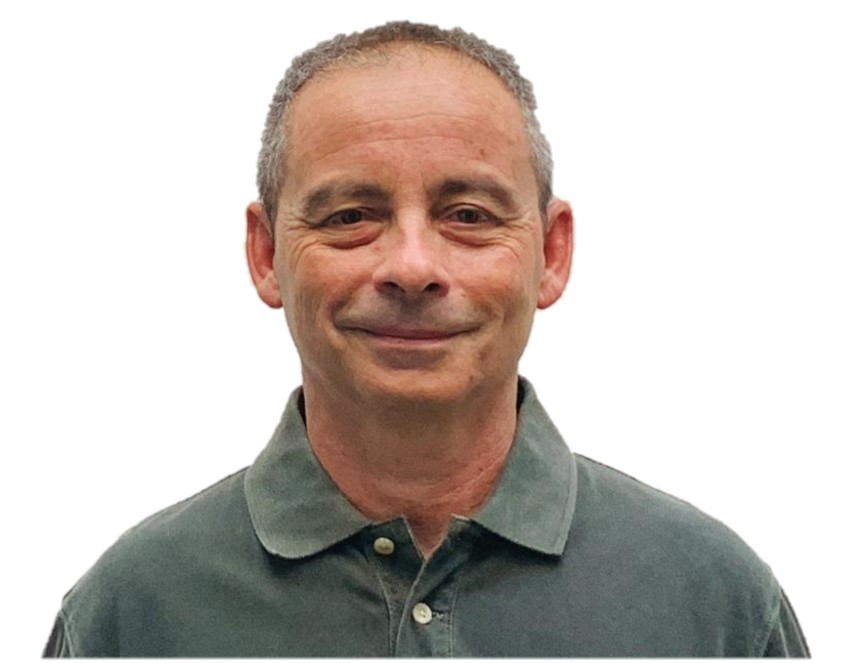
Antonio Lázaro
Full Professor at Universidad Carlos III of Madrid and co-founder of Power Smart Control. He has participated in more than 100 R&D projects and is a specialist in power electronics, advanced control and real-time emulation.
Artemis Program Power System. Reliability Challenges in Crewed Spaceflight
📍 Asturias Hall | 🗓️ Thursday 9 July 🕒 10:15
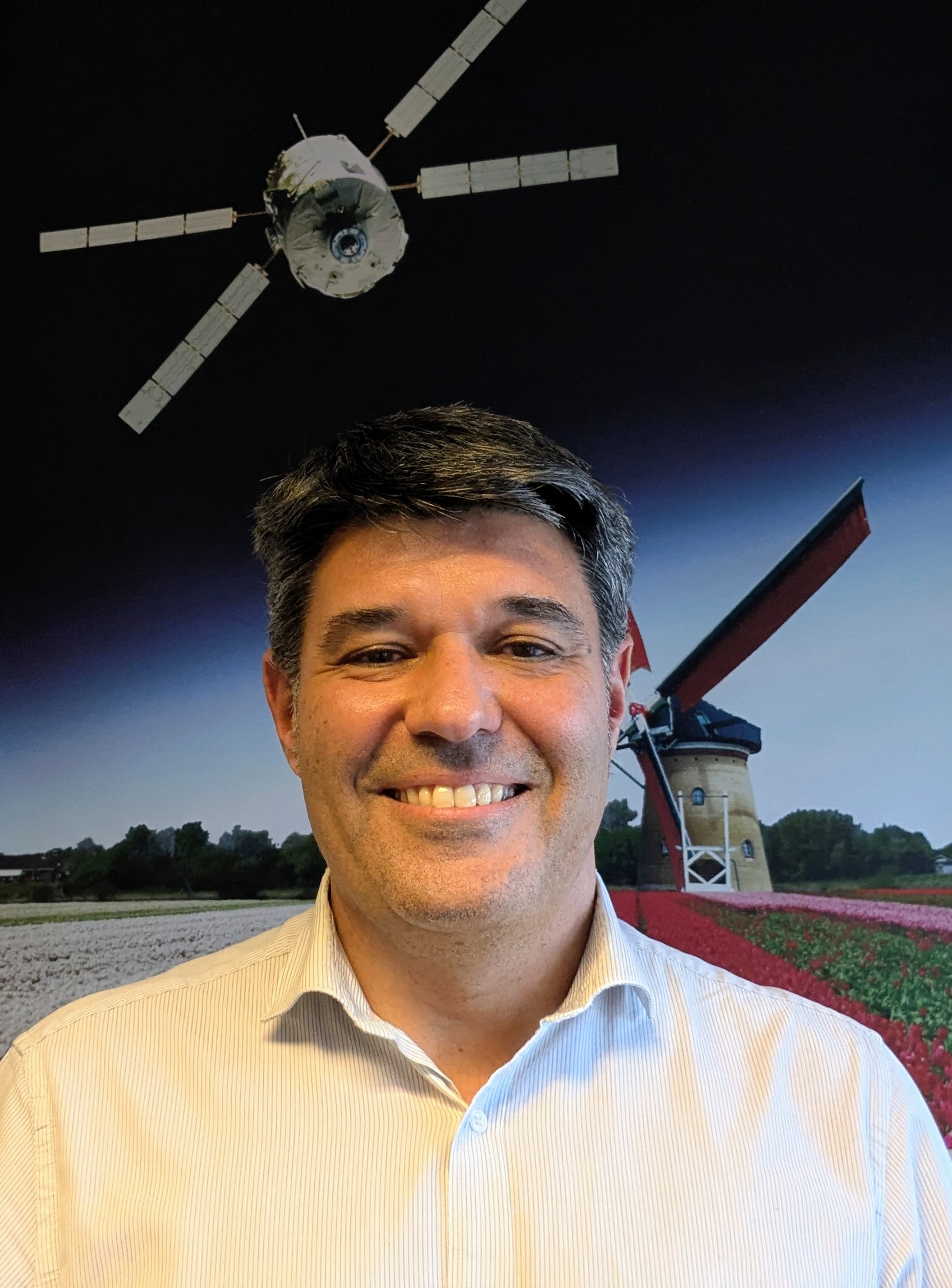
Arturo Fernández
(IEEE SM’98) obtained his MSc and PhD in Industrial Engineering from the University of Oviedo in 1997 and 2000, respectively. He began his academic career at the University of Oviedo as an associate professor in 1998, becoming a full professor in 2003.
In 2007 he joined the European Space Agency (ESA) as a power conversion engineer, focusing his research on the development of power electronics for space missions.
In 2015, he was appointed Head of the Power Management and Distribution Section at ESA, where he coordinated technology roadmaps for power conversion and led development programs for satellite power systems.
In 2025, he became Head of the Power Systems, Electromagnetic Compatibility and Space Environment Division, overseeing R&D activities in solar generators, energy storage, electromagnetic compatibility, and space environment effects.
His research interests include high-efficiency switching power supplies, DC/DC converters, converter modeling, and advanced space power systems. He is the author of more than 100 publications in the field.
The talk focuses on the Artemis program power system and the lessons learned from lunar missions carried out in 2023 and 2026.
The development of power systems for crewed spacecraft is a complex task, where development time and variability of flight configurations significantly affect the energy balance. The high redundancy required to ensure reliability also introduces major design challenges.
In this context, simple, scalable, and flexible systems are the best option. Telemetry and control capabilities play a key role, with data availability and frequency being critical aspects for future missions.
Finally, the concept of system-level redundancy is addressed as a more viable alternative to traditional double-fault tolerance, highlighting architectures with multiple interconnectable buses for high-reliability missions.
Nature-based and Living Solutions: Evolving from Green to More-than-Green for Advancing Sustainable Technologies in Measurement Systems
📍 Deva + Aramo Hall | 🗓️ Friday 10 July 🕒 12:30
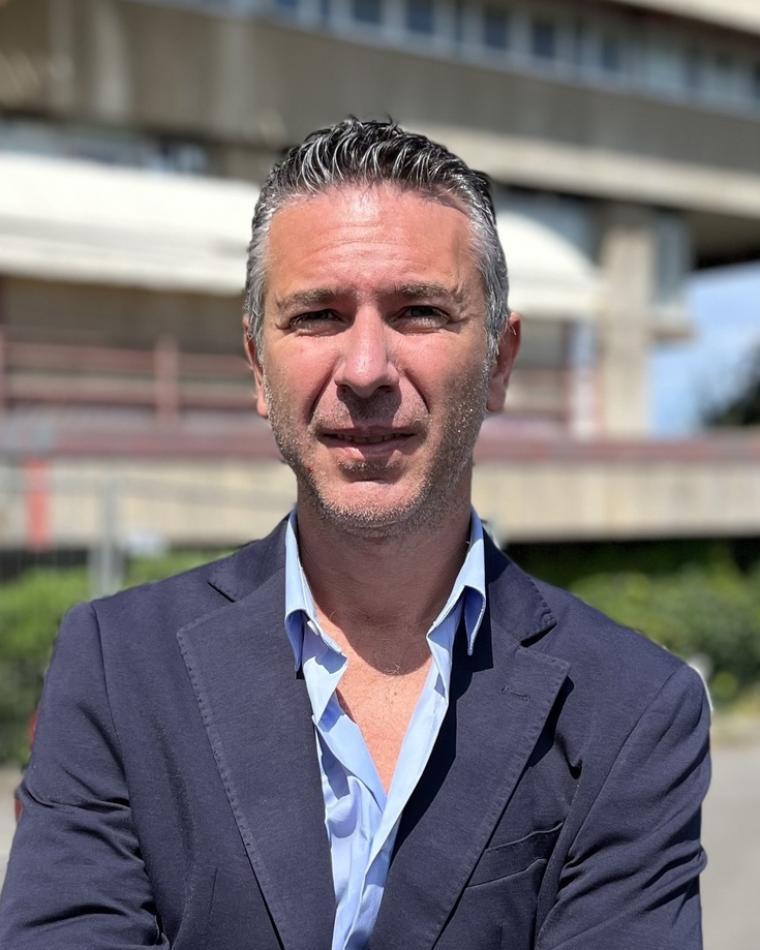
Carlo Trigona
He is a Distinguished Lecturer of the IEEE Instrumentation and Measurement Society, working in smart sensors, autonomous systems, and sustainable nature-inspired solutions.
His work focuses on advanced measurement technologies, low-power systems, and bioinspired approaches applied to environmental monitoring and sustainability.
Carlo Trigona (University of Catania, DIEEI) is a researcher in instrumentation and measurement, with a strong track record in smart sensors, autonomous systems, and low-power technologies. He holds a PhD in electronic engineering and has focused his scientific activity on advanced sensing systems, wireless sensor networks, and innovative solutions for complex environments.
Throughout his career, he has worked on multiple international research projects addressing challenges in environmental monitoring, energy efficiency, and the integration of intelligent systems into real-world applications. His contributions include the development of autonomous devices capable of operating in harsh conditions, as well as energy harvesting solutions.
His research also extends to bioinspired systems and the integration of electronic technologies with natural systems, exploring new ways to design sustainable solutions. He is the author of numerous scientific publications in instrumentation, sensors, and intelligent systems, and actively participates in international initiatives related to the transition toward greener and more efficient technologies.
For more information about the plenary session, please visit the official page:
🔗 https://ieee-ims.org/presentation/lecture/nature-based-and-living-solutions-evolving-green-more-green-advancing